A rotator cuff injury has a way of creeping into every part of your day. Reaching overhead to grab something off a shelf, rolling over in bed at night, throwing a ball with your kids in the yard. Suddenly, your shoulder is the thing standing between you and the life you want to live.
The good news is that most rotator cuff injuries respond well to the right treatment, and physical therapy is one of the most effective paths to lasting recovery. Whether you're dealing with a partial tear, tendinitis, or post-surgical rehab, physical therapy for rotator cuff injuries is designed to restore your strength, reduce pain, and get you moving confidently again.
At Patriots Point Chiropractic & Physical Therapy in Mount Pleasant, SC, our physical therapy team works with patients at every stage of rotator cuff recovery, from the first flare-up to returning to full athletic performance.
What Is the Rotator Cuff, and How Does It Get Injured?
The rotator cuff is a group of four muscles and their tendons that surround the shoulder joint. Together, they stabilize the ball of the upper arm inside the shoulder socket and power the movements you rely on every day, including lifting, reaching, and rotating your arm.
Rotator cuff injuries range from mild inflammation to partial or full tears. Some of the most common causes include:
- Repetitive overhead motions from sports like swimming, tennis, baseball, or pickleball
- Sudden falls or direct impact to the shoulder
- Age-related degeneration, especially in people over 40
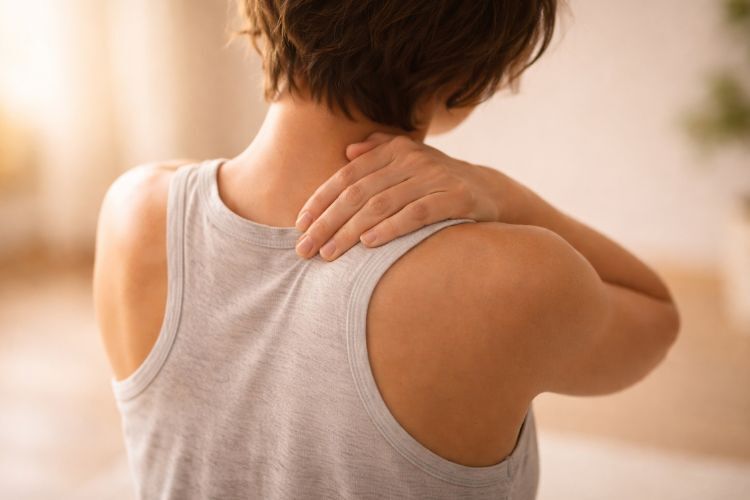
- Prolonged poor posture that places chronic strain on the shoulder
Rotator cuff tendinitis is one of the most frequent presentations, where the tendons become irritated and inflamed before a structural tear develops. Catching it at this stage and beginning physical therapy is often what prevents the condition from progressing into something more serious.
How Physical Therapy Treats a Rotator Cuff Injury
Physical therapy for a rotator cuff injury is not a one-size-fits-all program. It starts with a thorough evaluation of how your shoulder is actually moving, where strength and mobility are limited, and what daily activities or sports demands need to be addressed for a meaningful recovery.
From there, a personalized treatment plan is built around your specific diagnosis and goals. At Patriots Point Chiropractic & Physical Therapy., that plan is led by Dr. Ashton Kirkpatrick, DPT, who holds a Doctor of Physical Therapy from the University of St. Augustine for Health Sciences and brings advanced certifications in dry needling, blood flow restriction training, and instrument-assisted soft tissue mobilization.
A typical physical therapy protocol for rotator cuff recovery may include:
Manual therapy to restore joint mobility, reduce pain, and address soft tissue restrictions that limit shoulder movement. Dr. Kirkpatrick's training in IASTM and spinal mobilization gives her additional tools to address the deeper tissue and joint mechanics involved in shoulder recovery.
Targeted therapeutic exercises that progressively rebuild rotator cuff strength from the inside out. This starts with low-load stabilization work before advancing to functional and sport-specific movements as healing progresses.
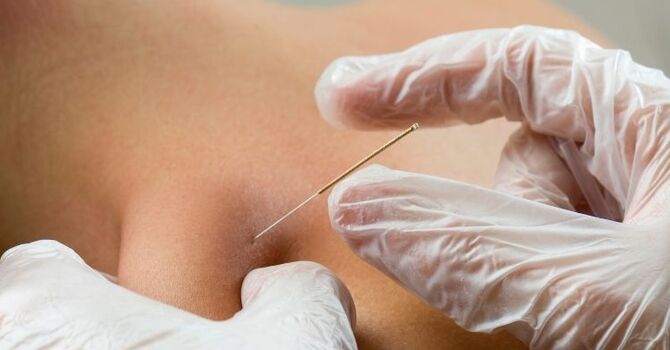
Dry needling, when appropriate, to release trigger points in the rotator cuff muscles and surrounding shoulder girdle. For patients with chronic tension or myofascial restrictions contributing to their shoulder pain, TDN-certified dry needling can accelerate tissue healing and pain relief.
Blood flow restriction training (BFR) is particularly valuable for patients recovering from rotator cuff surgery or those who cannot tolerate high loads during early rehab. BFR allows meaningful muscle strengthening using very light resistance, which is critical when protecting healing tissue while still building strength.
Can Physical Therapy Help You Avoid Surgery?
This is one of the most common questions people ask after a rotator cuff diagnosis, and the honest answer is: often, yes.
For partial tears and rotator cuff tendinitis, physical therapy has strong clinical evidence behind it as a first-line treatment. Many patients achieve full pain relief and functional recovery without ever needing surgery. The key is early and consistent treatment. Waiting too long, hoping the shoulder will settle on its own, is one of the most common reasons rotator cuff problems progress to the point where surgical intervention becomes necessary.
For patients who have already had rotator cuff repair surgery, physical therapy after rotator cuff surgery is the single most important factor in how well and how quickly you recover. The surgical repair only addresses the structural damage. Physical therapy is what rebuilds the strength, mobility, and neuromuscular control that makes your shoulder functional again.
What to Expect at Your First Appointment
Your first visit at Patriots Point Chiropractic & Physical Therapy. will focus on understanding the full picture of your injury, not just the shoulder itself. Shoulder pain is often connected to how you hold your neck, how your thoracic spine moves, and what your posture looks like through the whole upper body. Dr. Kirkpatrick evaluates all of these factors before building your treatment plan.
You'll leave with a clear understanding of what is going on, what the plan is, and what realistic recovery looks like for your specific situation. For most patients in Mount Pleasant dealing with a rotator cuff injury, that plan will include a combination of in-clinic sessions and home exercises that keep your recovery progressing between appointments.
One thing worth knowing: in many cases, you do not need a physician referral to begin physical therapy in South Carolina. Our team can help walk you through the process and work with your insurance situation when you call.
The Integrated Advantage at Patriots Point Chiropractic & Physical Therapy.
What sets Patriots Point Chiropractic & Physical Therapy apart from a standalone PT clinic is the ability to combine approaches under one roof. If your rotator cuff injury is connected to neck or upper back tension, Dr. John Fauerbach, DC, can address the chiropractic component simultaneously. Class IV laser therapy is also available in-clinic to reduce inflammation and accelerate soft tissue healing at a cellular level, and it pairs exceptionally well with active physical therapy rehab.
That kind of coordinated, multi-modal care means your shoulder is getting addressed from every angle, which typically leads to faster, more durable results.
Start Your Rotator Cuff Recovery in Mount Pleasant
Rotator cuff injuries can feel frustrating, especially when weeks of rest do not seem to be getting you anywhere. Physical therapy gives you a structured, evidence-based path forward so you can stop guessing and start recovering with purpose.
Patriots Point Chiropractic & Physical Therapy is located at 907 Houston Northcutt Blvd in Mount Pleasant, SC, and our team is here to help you get back to enjoying the things you love. Explore our physical therapy services or book your appointment directly at ppc.janeapp.com.